

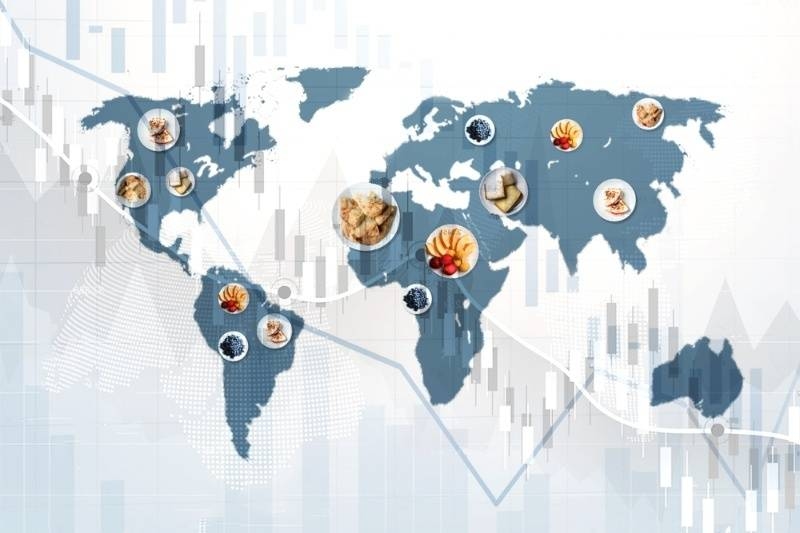
Food is really important to people. It is not something we eat to have energy. Food tells us stories about people and where they come from. It helps people connect with each other. Remember their history and traditions. One of the exciting things to do is to learn about food from different countries.
In this blog, we will learn about food from around the world, along with the global food traditions and eating habits worldwide.
Food helps people know who they are and where they come from. It connects people to their families and traditions. When we learn about food from other countries, we learn about their history, climate, and way of life.
For example, people who live near the ocean often eat a lot of seafood. People who live in places like to eat warm and hearty meals. This is because of the traditions that have been around for a long time.
Food also brings people together. Families and friends like to eat and share meals. This makes eating an emotional experience. When we learn about eating habits worldwide, we can appreciate these moments even more.
Asia has a lot of different types of food. Countries like Japan, India, Thailand, and China have a range of flavors and textures. If we do not learn about food, we will not know much about food from around the world.
In Asian countries, people share food with each other. They put the food in the middle of the table. Everyone eats together. This shows that food is important for family and friends to bond. Rice is a food in many Asian countries. People use spices, herbs, and fresh ingredients to make the food taste good. This shows how rich and diverse the food is in Asia.
Another interesting thing about food is that people in countries like China and Japan use chopsticks to eat. Chopsticks are not something you use to pick up food; they are also a part of tradition and etiquette.
In-Depth Guide: Authentic Indian Cuisine Travel Guide and Cultural Food Insights
Europe has a mix of new ways of eating. From pasta to French pastries, Europe has a lot of refined and elegant food. In European countries, people like to take their time when they eat. They enjoy their food. This is a big part of food culture.
Bread, cheese, and wine are very important in food. These things have been passed down from generation to generation. They are a part of tradition.
It is also important to have manners when you eat in Europe. For example, people take table manners seriously. This shows that food culture can be very different from one place to another.
Africa has a food culture that's deeply rooted in tradition and community. Learning about food makes food culture even more exciting. People in Africa often eat staples like grains, vegetables, and meat. They cook their food using methods that show they have strong food traditions.
In African countries, people eat with their hands. This is an interesting thing about food culture that visitors can experience.
Africa has a lot of types of food, with each region having its own flavors and ingredients. Trying these foods can be a highlight of any trip.
North and South America have a mix of cultures and flavors. Food culture is very dynamic here because of all the influences. In North America, people often eat food and convenience meals. However, there is also a focus on local and organic food.
South America is known for its vibrant dishes with a lot of fresh ingredients. This region has food traditions that have been influenced by indigenous and colonial cultures. Street food is very popular in South America. It is a delicious way of eating that locals enjoy every day.
The Middle East is known for being very welcoming and having lots of food. When people eat, they often share with others. That’s a big part of food culture everywhere.
Meals have things like grilled meats, flatbreads, and tasty dips. These are foods that people all around the world enjoy. When guests come, they are always offered food. This shows how important food is in the culture of this area.
The Middle Eastern cuisine includes lots of spices and herbs to make its food delicious. This adds depth to their dishes. Shows how diverse their food is.
Trying street food is one of the ways to experience food from different places. It's affordable and delicious. Shows what life is like locally. From tacos in Mexico to noodles in Asia, street food is a way to taste global traditions.
Street food also shows how people really eat when they're in a hurry. Eating street food is a must-do when traveling. It gives you a taste of different areas.
It's good to know the rules of eating when you're in a country. Each place has its customs. For example, in some places finishing your food shows you appreciate it. In others, leaving a bit is polite. These differences are interesting to learn about.
How people sit, serve food, and use utensils can be very different. Learning these things helps you understand how people eat in places. Respecting these traditions makes traveling more enjoyable.
Food is a part of festivals and celebrations. Going to these events is a way to experience food culture. Whether it's a harvest festival or a religious celebration, food is always important; these events show traditions.
Special foods are made for festivals. They show unique cultural food practices. These celebrations also show how rich and diverse food can be.
Traveling is the way to experience culinary diversity. Here are some simple tips:
Read Next: Cultural Differences Around the World and How They Shape Life
Exploring food culture is an experience. It's not about taste; it's about connecting with people, traditions, and history.
Whether you're trying street food, going to festivals, or using a travel food guide, every experience adds to your journey. The variety of foods makes the world exciting for food lovers.
Besides being an essential part of a local culture, food also helps you discover the local traditions, history, and ways of life. This is what makes you feel more connected with the place you are visiting. In addition, tasting food that locals eat gives you fresh experiences and helps you get a glimpse of different cultural values and lifestyles.
The best way is to explore local food, go to local markets, and watch people eating. Adapting to the ways locals eat and allowing yourself to try new tastes is the best way to experience authentic food cultures and to learn more about cultural differences.
Cultural and lifestyle influences determine food habits. For example, in some cultures the family sits down to eat together, whereas in others each member has his/her meal independently. Besides that, the time of eating, table etiquette, and even food selections vary, reflecting a person's background and the cultural and social traditions of the place.
Street food is a reflection of daily life and the local flavors of a region. It is cheap and is sold in small stalls offering a variety of dishes in small portions, so it is an excellent way to get to know authentic cuisine. At the same time, street food is a reflection of traditional cooking techniques and regional ingredients that local communities take pride in.
This content was created by AI